
Regulating and restricting bait for fishing is a big issue. People have false misconceptions about the topic. I have heard people claim it is all about money. They want you to buy bait or use lures. There is plenty of bait, taking more than my limit does not hurt. The bait works too well, the government does not want me to catch a lot of fish. The people studying the waterways have valid reasons for laws about bait. Your opinion lacks complete information. There are many reasons to limit or restrict bait for use when fishing.
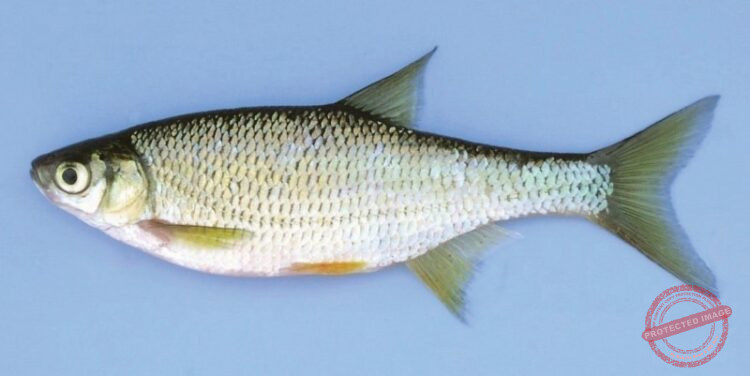
Maintaining Healthy Fisheries with Regulating and Restricting Bait
The goal of regulation is to maintain a healthy fishery. People overharvest bait reducing food for the sporting fish. Unlike people, fish eat up to one-third of their weight daily. Fish need a large number of calories to grow and survive. Compared to a human this is around fifty pounds per person.
Disease and Predation
Bait can carry diseases that cause problems. In many areas, fish have become infected with diseases from non-native bait. People use goldfish for bait. They are effective as bait. Yet, a goldfish is prone to fungal and bacterial infections. These transfer to the fish population. As a result, the fish may die, become stunted in size, or lack the ability to reproduce effectively.
The same applies to native bait from other waterways. One waterway may not have diseases while the other does have diseases present. In many regions, the law requires bait harvesting from the water you will use it. In some areas, you may need to buy bait at a registered dealer. Yet in other places, frozen bait works for control purposes. This prevents the transfer of disease and the introduction of non-native species.
Some species of bait prey on fish eggs or fry. This has a big impact on maintaining a fish’s population. An example is in Britain, an American crayfish were introduced into some trout waters. These were good trout fisheries. In a few years, the trout population saw harm due to reproduction damage by the crayfish. Regulating and restricting bait would have prevented this problem.
In the United States, people are aware of the issue with bighead and silver carp. These invasive species are destroying waterways. They consume the smaller organisms in the waters. This leads to a collapse of the food chain. You need to understand the food chain is crucial to a waterway.
Maintaining Baitfish Populations with Regulations
Once overharvesting was not a problem. The times have changed with a large number of people enjoying fishing. This places stress on the environment of a fishery. The sportfish are in danger but so are their food sources. The food chain starts with the small prey. If there is insufficient prey for bass, walleye, or other predators they die or stunt their growth.
In Pennsylvania and other states. There are special regulations on the harvesting of panfish, along with other species. The panfish regulation has expanded due to over-harvesting for bait. People targeting catfish have wiped out smaller waters of panfish populations. Today, these waters have stocking programs and catch release regulations.
In many regions, a species may have closed seasons or low numbers reducing the harvest. These rules are in effect to maintain or increase the population of a species of bait. These rules were placed due to the overharvesting of baitfish and small fish people use for bait.
Biologists perform studies regularly on many waterways. This includes research on baitfish and other food for game fish. They place restrictions and regulations for the health of a waterway.
Conclusion to Regulating and Restricting Bait
Baitfish need to maintain healthy populations. They are the foundation of the food chain for game fish. These small fish can be overharvested or spread diseases. Using diseased baitfish one time can spread disease into a healthy waterway. You need to follow the laws for a waterway you plan to fish.